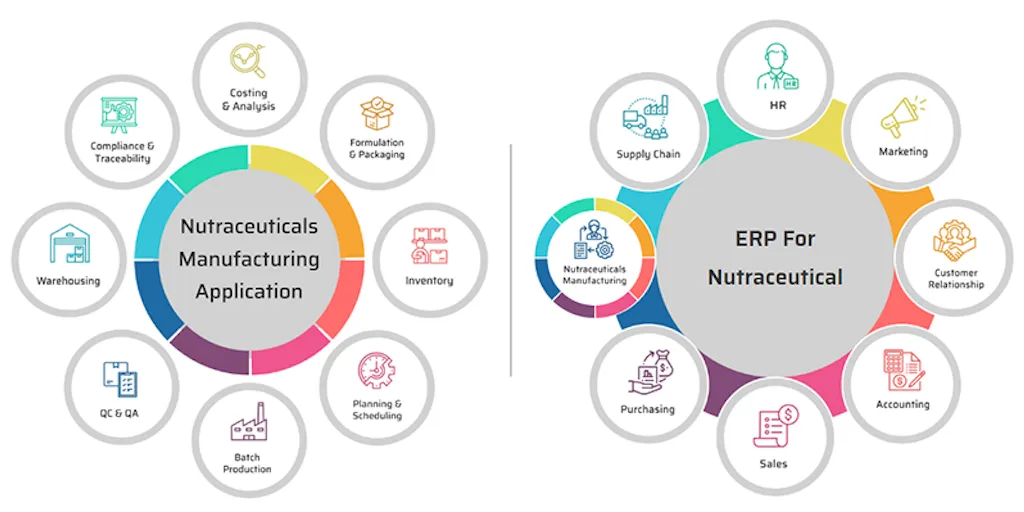
Welcome to a world where nutraceutical companies can streamline their operations, improve efficiency, and foster growth with the help of ERP systems specifically tailored to their industry. Nutraceutical ERP systems offer a wide range of benefits that can revolutionize the way these companies function, from enhanced inventory management to compliance with strict industry regulations. By investing in a specialized ERP system, nutraceutical companies can take their business to the next level and stay ahead of the competition.
The Growth of Nutraceutical Industry
In recent years, the nutraceutical industry has experienced significant growth and shows no signs of slowing down. Nutraceuticals, which are products derived from food sources with extra health benefits, have gained popularity among consumers seeking natural alternatives to traditional pharmaceuticals. This growth can be attributed to several factors.
Firstly, there is a shift towards preventative healthcare as people become more conscious of the importance of maintaining a healthy lifestyle. Nutraceuticals offer a way to supplement one’s diet with key nutrients and antioxidants that can help improve overall health and well-being. Consumers are increasingly turning to nutraceutical products to address specific health concerns, such as improving heart health, boosting immunity, or enhancing cognitive function.
Furthermore, the rise of e-commerce platforms has made it easier for consumers to access a wide range of nutraceutical products. Online retailers offer a convenient way to browse and purchase supplements, vitamins, and other nutraceuticals without having to visit a physical store. This accessibility has contributed to the industry’s growth as more people discover the benefits of incorporating nutraceuticals into their daily routines.
In addition, advancements in research and technology have allowed nutraceutical companies to develop innovative products that are backed by scientific evidence. This has helped build consumer trust in the industry and has led to a wider acceptance of nutraceuticals as a legitimate form of healthcare. As the demand for natural and organic products continues to rise, nutraceutical companies are poised to capitalize on this trend and expand their market reach.
The global nutraceutical market is expected to continue growing in the coming years, driven by increasing consumer awareness and demand for natural health solutions. As more people prioritize their health and well-being, the nutraceutical industry will play an important role in providing safe and effective dietary supplements and functional foods. With ongoing research and innovation, nutraceutical ERP systems will also evolve to meet the industry’s changing needs and ensure seamless integration of processes for enhanced efficiency and productivity.
Benefits of Using an ERP System in the Nutraceutical Sector
Implementing an ERP system in the Nutraceutical sector can bring numerous benefits to companies in this industry. ERP, which stands for Enterprise Resource Planning, is a software that helps businesses manage their operations more efficiently by integrating different aspects of the business into one centralized system. Here are some of the key benefits of using an ERP system in the Nutraceutical sector:
1. Streamlined Business Processes: ERP systems can streamline and automate various business processes in the Nutraceutical sector, such as production planning, inventory management, sales and marketing, and financial reporting. By automating these processes, companies can save time and resources, reduce errors, and improve overall productivity.
2. Improved Compliance and Regulatory Adherence: One of the crucial benefits of using an ERP system in the Nutraceutical sector is ensuring compliance with regulatory standards and industry requirements. Nutraceutical companies need to adhere to strict regulations regarding product safety, labeling, and quality control. An ERP system can help companies track and manage these regulatory requirements more effectively, reducing the risk of non-compliance and potential penalties.
3. Enhanced Inventory Management: Managing inventory efficiently is essential for Nutraceutical companies to meet customer demands and avoid overstocking or stockouts. An ERP system can provide real-time visibility into inventory levels, streamline order fulfillment processes, and automate replenishment tasks. This can help companies optimize their inventory levels, reduce carrying costs, and improve customer service.
4. Improved Traceability: Traceability is crucial in the Nutraceutical sector to ensure product authenticity, quality control, and safety. An ERP system can provide traceability features that allow companies to track raw materials, production processes, and distribution channels from farm to fork. This can help companies identify and address any issues or recalls quickly, maintain customer trust, and comply with industry standards.
5. Enhanced Decision-Making: ERP systems provide Nutraceutical companies with real-time data and analytics that can help them make informed decisions about production, distribution, marketing, and other business operations. With access to accurate and up-to-date information, companies can identify trends, analyze performance, and optimize their strategies to stay competitive in the market.
6. Cost Savings: Implementing an ERP system in the Nutraceutical sector can lead to cost savings in various areas of the business. By automating processes, reducing manual tasks, and streamlining operations, companies can lower operational costs, improve efficiency, and increase profitability. Additionally, ERP systems can help companies avoid unnecessary expenses, such as excess inventory or compliance penalties.
In conclusion, implementing an ERP system in the Nutraceutical sector can provide companies with numerous benefits, including streamlined business processes, improved compliance and regulatory adherence, enhanced inventory management, improved traceability, enhanced decision-making, and cost savings. By investing in an ERP system, Nutraceutical companies can improve their operational efficiency, meet regulatory requirements, and stay competitive in the dynamic market.
Key Features to Look for in a Nutraceutical ERP
When choosing an ERP system for your nutraceutical business, there are several key features you should look for to ensure you are getting the most out of your investment. Here are some important features to consider:
1. Traceability and Compliance: One of the most critical features to look for in a nutraceutical ERP system is robust traceability and compliance capabilities. The system should be able to track the entire production process from raw materials to finished products, enabling you to quickly identify and address any issues that may arise. It should also help you stay compliant with industry regulations and certifications, such as FDA regulations and GMP standards.
2. Inventory Management: Efficient inventory management is essential for a nutraceutical business to keep track of raw materials, finished products, and packaging materials. Look for an ERP system that offers real-time visibility into inventory levels, allows for automated replenishment of stock, and provides tools for forecasting demand. This will help you minimize stockouts, reduce excess inventory, and improve overall supply chain efficiency.
3. Quality Control and Assurance: When it comes to nutraceutical products, quality control is non-negotiable. A good ERP system should have robust quality control and assurance features that allow you to monitor the quality of raw materials, track production processes, and perform thorough testing of finished products. Look for a system that offers built-in quality control workflows, batch testing capabilities, and integration with lab management systems.
In addition to these key features, it is also important to consider the scalability and flexibility of the ERP system, as well as its integration capabilities with other software solutions you may be using. By focusing on these key features, you can ensure that your nutraceutical ERP system is equipped to help you streamline operations, ensure product quality, and maintain compliance with industry standards.
Challenges Faced in Implementing Nutraceutical ERP Solutions
Implementing an ERP system in the nutraceutical industry can be a daunting task. The unique needs and challenges of this sector can make the process more complicated than in other industries. Here are some of the key challenges faced in implementing nutraceutical ERP solutions:
1. Regulatory Compliance: One of the biggest challenges in the nutraceutical industry is ensuring compliance with strict regulations. Nutraceutical companies are subject to a wide range of regulations governing the production, labeling, and marketing of their products. This means that any ERP system implemented in this industry must be able to track and report on compliance requirements to ensure that all products meet the necessary standards.
2. Ingredient Traceability: Nutraceutical products often contain a complex mix of ingredients, some of which may be sourced from multiple suppliers. This can make it difficult to track the origin of each ingredient and ensure its quality and safety. An ERP system must be able to provide detailed traceability information for every ingredient used in a product, from the supplier to the finished product, to meet regulatory requirements and ensure product quality.
3. Product Lifecycle Management: Nutraceutical products go through a complex lifecycle from formulation to production to distribution. Managing this lifecycle effectively is essential for maintaining product quality and compliance with regulations. An ERP system must be able to track every stage of the product lifecycle, from research and development to manufacturing and distribution, to ensure that products meet quality standards and are delivered on time.
4. Integration with Existing Systems: One of the biggest challenges in implementing a new ERP system is integrating it with existing systems and processes. Nutraceutical companies often have a mix of legacy systems and manual processes that are deeply ingrained in their operations. Integrating a new ERP system with these existing systems can be a complex and time-consuming process, requiring careful planning and coordination to ensure a smooth transition.
Overall, implementing an ERP system in the nutraceutical industry presents a unique set of challenges that require careful consideration and planning. By addressing these challenges proactively and working closely with an experienced ERP provider, nutraceutical companies can successfully implement an ERP solution that meets their specific needs and helps them streamline their operations for improved efficiency and compliance.
Future Trends in Nutraceutical ERP Technology
In the rapidly evolving world of technology, the field of Nutraceutical ERP is no exception. As companies strive to stay ahead of the curve and remain competitive, they must adapt to the latest trends in ERP technology. Here are some future trends to watch for in Nutraceutical ERP:
1. Artificial Intelligence (AI) Integration: One of the most significant advancements in ERP technology is the integration of AI capabilities. AI can help streamline processes, improve decision-making, and enhance overall efficiency. In the nutraceutical industry, AI can be used for predictive analytics, demand forecasting, and personalized product recommendations.
2. Internet of Things (IoT) Connectivity: The IoT is revolutionizing the way data is collected and utilized in ERP systems. By connecting devices and sensors to the ERP system, companies can gather real-time data on manufacturing processes, supply chain logistics, and product quality. This data can then be used to optimize operations and improve overall performance.
3. Cloud-Based Solutions: Cloud-based ERP systems are becoming increasingly popular due to their flexibility, scalability, and cost-effectiveness. Nutraceutical companies can benefit from cloud-based ERP solutions by accessing data from anywhere, improving collaboration between departments, and reducing IT infrastructure costs.
4. Blockchain Technology: Blockchain technology is making waves in the nutraceutical industry by providing a secure and transparent way to track and trace products throughout the supply chain. By implementing blockchain technology in ERP systems, companies can ensure the authenticity and quality of their products, build trust with consumers, and comply with industry regulations.
5. Personalized Nutraceutical Products: One of the most exciting trends in nutraceutical ERP technology is the ability to create personalized products for consumers. By leveraging customer data and preferences, companies can develop tailored products that meet individual needs and preferences. This trend is transforming the nutraceutical industry by shifting towards personalized nutrition and wellness solutions.
Overall, the future of Nutraceutical ERP technology looks promising, with advancements in AI, IoT, cloud-based solutions, blockchain technology, and personalized products leading the way. As companies continue to embrace these trends, they will be better equipped to meet the changing demands of the industry and provide innovative solutions to consumers.
Originally posted 2025-08-02 15:37:24.