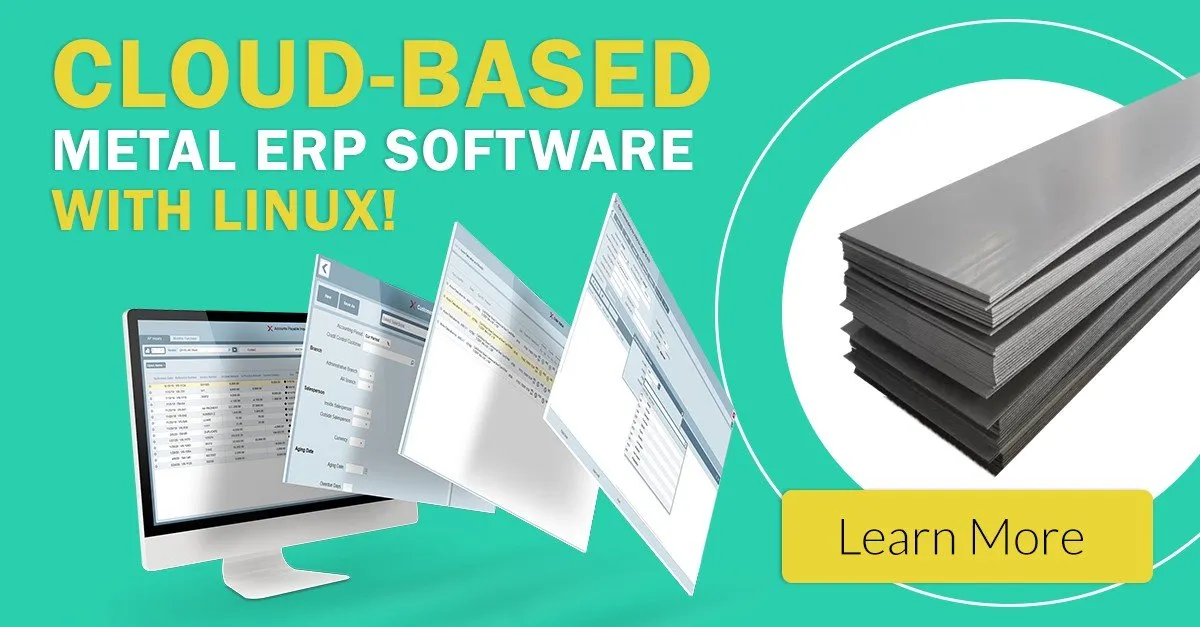
Hey there! If you’re looking to take your business to the next level, then you’ve come to the right place. Metal ERP software can revolutionize the way you run your business, providing countless benefits that will streamline your operations, increase efficiency, and ultimately boost your bottom line. From inventory management to supply chain optimization, this software is a game-changer for any business in the metal industry. Let’s dive into the many benefits of using metal ERP software and how it can transform your business for the better.
What is Metal ERP Software?
Metal ERP software is a specialized type of Enterprise Resource Planning (ERP) system tailored specifically for the needs of metal manufacturing companies. It is designed to help metal manufacturers streamline their operations, improve efficiency, and increase profitability by providing a comprehensive solution for managing all aspects of their business, from inventory and supply chain management to production planning and scheduling.
One of the key features of metal ERP software is its ability to integrate and centralize all the different functions and processes within a metal manufacturing company. This includes everything from sales and customer relationship management to finance and accounting, human resources, and production management. By bringing all these functions together in a single, unified system, metal ERP software enables metal manufacturers to have a complete view of their business operations and make more informed decisions.
Another important feature of metal ERP software is its ability to automate and streamline many repetitive and time-consuming tasks. For example, the software can automatically generate purchase orders based on inventory levels, track and manage production processes, and generate real-time reports on key performance indicators. By automating these tasks, metal ERP software helps reduce the risk of errors, improve accuracy, and save time and resources.
Furthermore, metal ERP software often includes advanced features such as forecasting and demand planning, which can help metal manufacturers better anticipate market demand and optimize their production processes accordingly. This can help reduce wasted resources, minimize inventory costs, and ensure that metal manufacturers are able to meet customer demand in a timely manner.
Overall, metal ERP software is a powerful tool for metal manufacturing companies looking to improve their operations, increase efficiency, and stay competitive in today’s fast-paced market. By providing a comprehensive solution for managing all aspects of the business, automating repetitive tasks, and enabling better decision-making, metal ERP software can help metal manufacturers achieve their goals and drive business growth.
Benefits of Implementing Metal ERP Software
Implementing Metal ERP software in a metal manufacturing business can bring a multitude of benefits that can significantly improve operations and increase efficiency. From streamlining processes to providing real-time data insights, here are some key advantages of introducing Metal ERP software:
1. Enhanced Production Planning and Scheduling
One of the major benefits of implementing Metal ERP software is the ability to streamline production planning and scheduling. With ERP systems, metal manufacturers can automate the scheduling of production tasks, allocate resources more efficiently, and optimize production timelines. This leads to improved on-time delivery rates, reduced lead times, and higher customer satisfaction.
2. Cost Reduction
Implementing Metal ERP software can help metal manufacturers cut costs in various ways. By integrating all aspects of the business into a single system, ERP software eliminates the need for multiple disparate systems and manual data entry. This streamlines processes, reduces errors, and minimizes the reliance on paper-based documentation. Additionally, ERP software provides real-time data insights that help identify areas of inefficiency and waste, allowing metal manufacturers to make informed decisions that lead to cost savings.
3. Improved Inventory Management
Effective inventory management is crucial for metal manufacturing businesses to maintain optimal levels of stock, minimize carrying costs, and avoid shortages or overstock situations. Metal ERP software enables real-time tracking of inventory levels, automatic reorder alerts, and accurate forecasting based on historical data. This ensures that metal manufacturers have the right amount of raw materials and finished products on hand, leading to reduced inventory carrying costs and improved cash flow.
4. Increased Visibility and Control
With Metal ERP software, metal manufacturers gain increased visibility and control over their entire operation. ERP systems provide real-time data insights into every aspect of the business, from production processes to supply chain management. This visibility allows metal manufacturers to identify bottlenecks, track performance metrics, and make data-driven decisions that optimize operations and drive growth. Additionally, ERP software offers customizable reporting features that provide detailed analytics and KPIs, enabling metal manufacturers to monitor performance and make strategic improvements.
5. Compliance and Quality Assurance
Compliance with industry regulations and quality assurance standards is essential for metal manufacturing businesses to maintain credibility and meet customer expectations. Metal ERP software helps ensure compliance by automating regulatory reporting, tracking quality control processes, and providing documentation for audits. By centralizing data and standardizing processes, ERP software minimizes the risk of errors, non-compliance, and product recalls, ultimately improving product quality and customer satisfaction.
In conclusion, the benefits of implementing Metal ERP software in a metal manufacturing business are myriad. From enhancing production planning and scheduling to reducing costs, improving inventory management, increasing visibility and control, and ensuring compliance and quality assurance, ERP software can revolutionize operations and drive growth. By investing in Metal ERP software, metal manufacturers can stay competitive, adapt to market changes, and achieve long-term success in the industry.
Key Features to Look for in Metal ERP Software
When it comes to selecting the right Metal ERP software for your business, there are several key features that you should look for. These features not only help in streamlining your business operations but also ensure that you are getting the most out of your investment. Here are some key features to consider:
1. Inventory Management:
One of the most important aspects of any Metal ERP software is its ability to efficiently manage inventory. The software should provide real-time visibility into your inventory levels, track materials across different locations, and automate reordering processes. This ensures that you always have the right amount of raw materials on hand, reducing the risk of stockouts and improving overall operational efficiency.
2. Production Planning and Scheduling:
Another crucial feature to look for in Metal ERP software is production planning and scheduling capabilities. The software should allow you to create and optimize production schedules, taking into account factors such as machine capacities, resource availability, and customer demand. This helps in minimizing lead times, maximizing production capacity, and meeting delivery deadlines consistently.
3. Quality Control and Compliance:
Quality control and compliance are paramount in the metal manufacturing industry, where even minor defects can have significant repercussions. When choosing a Metal ERP software, make sure that it includes robust quality control features. This should include the ability to set quality standards, perform quality checks at various stages of production, and generate reports to track and analyze quality data. Additionally, the software should help you stay compliant with industry regulations and standards, ensuring that your products meet the required quality specifications.
4. CRM Integration:
CRM integration is another important feature to look for in Metal ERP software. Having a seamless integration between your ERP and CRM systems allows you to have a complete view of your customer interactions, orders, and invoices. This helps in improving customer satisfaction, streamlining order processing, and identifying cross-selling or upselling opportunities. Look for a Metal ERP software that offers easy integration with popular CRM platforms to maximize the benefits of both systems.
5. Real-Time Reporting and Analytics:
Effective decision-making in the metal manufacturing industry relies on accurate and real-time data. Choose a Metal ERP software that provides comprehensive reporting and analytics capabilities. The software should offer customizable dashboards, KPI tracking, and ad-hoc reporting options to help you gain insights into your business performance, identify bottlenecks, and make data-driven decisions. With real-time reporting and analytics, you can proactively address issues and capitalize on growth opportunities.
In conclusion, when evaluating Metal ERP software for your business, prioritize features that align with your specific industry needs and business objectives. By focusing on key features such as inventory management, production planning, quality control, CRM integration, and real-time reporting, you can choose a software solution that enhances operational efficiency, improves productivity, and drives business growth.
Case Studies of Metal ERP Software Success
Implementing an ERP system in the metal industry can lead to significant benefits such as improved efficiency, cost savings, and streamlined operations. Here are some case studies of metal companies that have successfully implemented ERP software:
1. ABC Metalworks: ABC Metalworks, a leading manufacturer of metal products, implemented an ERP system to streamline their production process. By integrating all aspects of their business – from procurement to production to distribution – into a single system, they were able to reduce lead times, improve quality control, and increase customer satisfaction. The real-time data provided by the ERP system also allowed ABC Metalworks to make better informed decisions and optimize their inventory levels.
2. XYZ Steel Co.: XYZ Steel Co., a steel manufacturing company, faced challenges with managing their complex supply chain and production processes. They decided to invest in an ERP solution to help them better track their inventory, schedule production, and analyze performance metrics. With the implementation of ERP software, XYZ Steel Co. was able to reduce excess inventory, minimize stockouts, and improve on-time delivery rates. The system also enabled them to identify bottlenecks in their production process and implement measures to increase overall efficiency.
3. LMN Metal Fabricators: LMN Metal Fabricators, a custom metal fabrication company, struggled with manual processes and disparate systems that made it difficult to track orders and manage resources. After implementing an ERP system, they saw a significant improvement in their operations. The new system allowed them to automate order processing, track job costs in real-time, and streamline their invoicing process. As a result, LMN Metal Fabricators were able to reduce administrative costs, improve order accuracy, and increase overall productivity.
4. PQR Aluminum Inc.: PQR Aluminum Inc., a manufacturer of aluminum products, was experiencing difficulties in managing their inventory and production schedules. They turned to an ERP solution to help them address these challenges and optimize their operations. The ERP system provided PQR Aluminum Inc. with real-time visibility into their inventory levels, production capacity, and order status. This allowed them to better plan their production schedules, reduce excess inventory, and improve on-time delivery rates. Additionally, the system helped them streamline their procurement process by automatically generating purchase orders based on demand forecasts and inventory levels.
These case studies demonstrate the positive impact that ERP software can have on metal companies. By streamlining processes, improving efficiencies, and providing real-time data insights, ERP systems can help metal companies stay competitive in today’s fast-paced and demanding market.
Future Trends in Metal ERP Software Development
As technology continues to advance rapidly, the future of Metal ERP Software development is an exciting and dynamic landscape. Here are some key trends that are expected to shape the future of Metal ERP Software:
1. Artificial Intelligence (AI) Integration – AI is already a game-changer in many industries, and its integration into Metal ERP Software is expected to revolutionize the way businesses in the metal industry operate. AI can help automate repetitive tasks, predict maintenance issues, optimize production schedules, and provide valuable insights for decision-making.
2. Internet of Things (IoT) Connectivity – With the rise of IoT devices, Metal ERP Software will be able to connect with machines, sensors, and other devices on the shop floor to gather real-time data and improve operational efficiency. This connectivity will enable better monitoring of equipment performance, inventory levels, and production processes.
3. Cloud-Based Solutions – The shift towards cloud-based ERP solutions is expected to continue in the metal industry. Cloud-based ERPs offer scalability, flexibility, and cost-effectiveness, making them an attractive option for metal manufacturers looking to streamline their operations. These solutions also provide real-time access to data from anywhere, allowing for better collaboration among team members.
4. Mobile Accessibility – With the increasing reliance on mobile devices, Metal ERP Software will need to be accessible on smartphones and tablets. Mobile ERP solutions will enable workers to access important information, make decisions, and communicate with colleagues on the go, improving efficiency and productivity.
5. Enhanced Security Measures – In an era of frequent cyber threats, data security is a top priority for businesses in the metal industry. Future Metal ERP Software will need to implement robust security measures to protect sensitive information from unauthorized access, data breaches, and other security threats. This may include encryption, multi-factor authentication, user permissions, and regular security audits to ensure the system is secure.
6. Integration with Advanced Analytics – Metal ERP Software will increasingly leverage advanced analytics tools to provide actionable insights and predictive analytics for better decision-making. These tools can help businesses in the metal industry identify trends, optimize processes, and improve overall performance.
In conclusion, the future of Metal ERP Software development holds great promise for the metal industry. With advancements in AI, IoT, cloud-based solutions, mobile accessibility, security measures, and advanced analytics, Metal ERP Software will continue to evolve to meet the changing needs of metal manufacturers and improve operational efficiency and productivity.
Originally posted 2025-08-03 02:00:43.