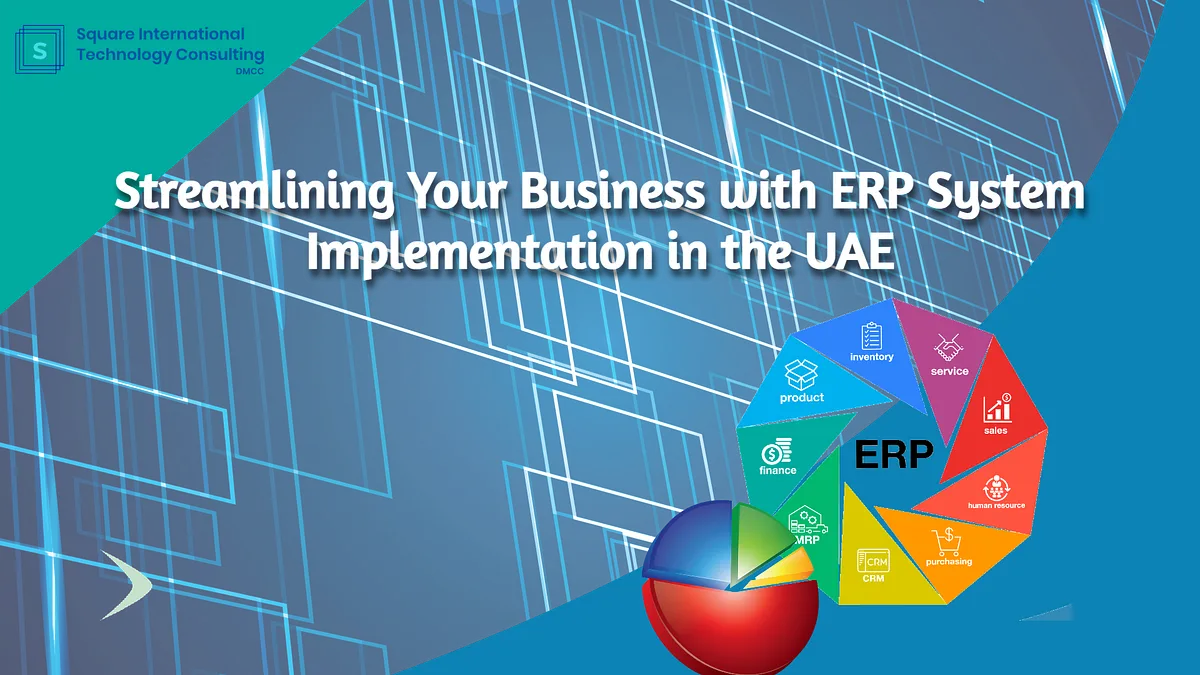
Welcome to an exploration of the pivotal role that ERP systems play in the dynamic business landscape of the United Arab Emirates. From streamlining operations to providing valuable insights for strategic decision-making, these integrated software solutions have become essential tools for businesses of all sizes operating in the UAE. In this article, we will delve into the ways in which ERP systems are transforming the way companies in the region operate and compete in a rapidly evolving market.
Overview of ERP System in UAE
Enterprise Resource Planning (ERP) systems have become increasingly popular in the United Arab Emirates (UAE) as businesses look for ways to streamline their operations and improve efficiency. An ERP system is a software solution that integrates various functions within an organization, such as finance, human resources, sales, and inventory management, into a single system. This integration allows for real-time data sharing and analysis, leading to better decision-making and increased productivity.
In the UAE, where the business landscape is rapidly evolving, many companies are turning to ERP systems to stay competitive and meet the demands of the market. These systems help businesses automate processes, reduce manual errors, and improve overall business performance. With the implementation of an ERP system, companies in the UAE can more effectively manage their resources, track performance metrics, and adapt to changing market conditions.
One of the key benefits of an ERP system in the UAE is the ability to streamline business processes. By integrating different functions into a single system, companies can eliminate duplicate data entry, reduce paperwork, and improve process efficiency. This not only saves time and resources but also allows employees to focus on more strategic tasks that add value to the organization.
Furthermore, ERP systems in the UAE provide companies with access to real-time data and analytics, allowing for better decision-making and faster response to market changes. With all relevant information stored in one central database, managers can easily track key performance indicators, monitor inventory levels, and identify areas for improvement. This real-time visibility into business operations is crucial for staying competitive in the fast-paced UAE market.
Another advantage of ERP systems in the UAE is improved collaboration and communication among different departments. With all functions integrated into one system, employees can easily share information, collaborate on projects, and access data from anywhere at any time. This seamless communication helps break down silos within the organization and promotes a culture of collaboration and innovation.
In conclusion, ERP systems have become an essential tool for businesses in the UAE looking to streamline operations, improve efficiency, and stay competitive in the market. By integrating various functions into a single system, companies can automate processes, reduce manual errors, and access real-time data for better decision-making. With the benefits of streamlined processes, improved visibility, and enhanced collaboration, ERP systems in the UAE are helping companies drive growth and success in an ever-changing business landscape.
Benefits of Implementing ERP System in UAE
Implementing an ERP system in UAE can provide numerous benefits to organizations across various industries. Here are some of the key advantages:
1. Improved Efficiency: One of the primary benefits of implementing an ERP system in UAE is the improved efficiency it brings to business processes. By automating repetitive tasks, streamlining workflows, and providing real-time data access, ERP systems eliminate time-consuming manual processes and enable employees to focus on more strategic tasks.
2. Enhanced Data Visibility and Decision-Making: With an ERP system in place, organizations in UAE gain access to a centralized database that provides real-time visibility into various aspects of their operations. This improved data visibility allows decision-makers to make informed decisions based on accurate and up-to-date information. Whether it’s tracking sales performance, monitoring inventory levels, or analyzing financial data, an ERP system empowers organizations to make better-informed decisions that drive business growth.
3. Cost Savings: Implementing an ERP system in UAE can lead to significant cost savings for organizations. By streamlining processes, reducing manual errors, and improving overall efficiency, ERP systems help businesses cut down on operational costs. Additionally, having access to accurate and timely data enables organizations to identify areas of waste and inefficiency, leading to further cost savings in the long run.
4. Enhanced Collaboration and Communication: ERP systems in UAE facilitate better collaboration and communication among departments within an organization. With a centralized system in place, employees can easily access and share information across departments, leading to improved cross-functional collaboration and communication. This enhanced collaboration not only improves overall efficiency but also fosters a more cohesive and productive work environment.
5. Scalability and Flexibility: As organizations in UAE grow and evolve, their business needs change as well. An ERP system provides the scalability and flexibility needed to adapt to these changing needs. Whether it’s adding new modules, integrating third-party applications, or expanding into new markets, an ERP system can easily accommodate these changes, ensuring that organizations can continue to operate efficiently and effectively as they grow.
6. Regulatory Compliance: With the ever-changing regulatory landscape in UAE, staying compliant with industry regulations and standards can be a daunting task for organizations. An ERP system can help organizations ensure compliance by providing features such as data security, audit trails, and reporting capabilities that help organizations adhere to regulatory requirements. By automating compliance processes, ERP systems help organizations mitigate the risk of non-compliance and avoid potential penalties or fines.
In conclusion, implementing an ERP system in UAE offers a wide range of benefits to organizations, from improved efficiency and data visibility to cost savings and enhanced collaboration. By leveraging the power of an ERP system, organizations in UAE can streamline their operations, make more informed decisions, and drive business growth in a competitive market.
Top ERP System Providers in UAE
When it comes to choosing an ERP system in the UAE, there are several top providers that stand out among the rest. These companies offer a range of solutions tailored to meet the unique needs of businesses in the region, making them popular choices for organizations looking to streamline their operations and improve efficiency.
One of the leading ERP system providers in the UAE is Sage. Sage offers a comprehensive suite of ERP solutions designed to help businesses of all sizes manage their finances, operations, and human resources effectively. Their software is known for its user-friendly interface and robust functionality, making it a top choice for organizations looking to modernize their operations and drive growth.
Another popular ERP system provider in the UAE is Microsoft Dynamics. Microsoft Dynamics offers a range of ERP solutions that integrate seamlessly with other Microsoft products, making it easy for businesses to leverage their existing technology investments. Their software is known for its powerful analytics tools and customizable features, making it a top choice for organizations looking to gain actionable insights and drive strategic decision-making.
One more top ERP system provider in the UAE is Oracle. Oracle offers a comprehensive suite of ERP solutions that cater to businesses of all sizes and industries. Their software is known for its scalability and flexibility, making it a popular choice for organizations looking to future-proof their operations and adapt to changing market conditions. With robust features such as supply chain management and customer relationship management, Oracle ERP solutions help businesses streamline their processes and drive growth.
In conclusion, when it comes to choosing an ERP system in the UAE, there are several top providers that stand out among the rest. Sage, Microsoft Dynamics, and Oracle are just a few of the leading companies offering comprehensive ERP solutions tailored to the unique needs of businesses in the region. By partnering with one of these top providers, organizations can streamline their operations, drive growth, and stay ahead of the competition in the fast-paced UAE market.
Challenges of Adopting ERP System in UAE
Implementing an ERP system in the UAE comes with its own set of challenges that organizations need to consider in order to successfully integrate this technology into their operations. Below are some of the key challenges faced by businesses in the UAE when adopting an ERP system:
1. Cultural and Organizational Resistance:
One of the major challenges faced by organizations in the UAE when adopting an ERP system is the cultural and organizational resistance to change. Many employees may be accustomed to traditional ways of working and may resist the implementation of new technologies that disrupt their routine. It is important for organizations to provide adequate training and support to employees to help them adapt to the new system and understand its benefits.
2. Data Security Concerns:
Another challenge that businesses in the UAE face when implementing an ERP system is data security concerns. With the increasing threat of cyber attacks and data breaches, organizations need to ensure that their ERP system is equipped with robust security measures to protect sensitive information. This includes implementing firewalls, encryption, and access controls to safeguard data from unauthorized access.
3. Customization and Integration:
Many organizations in the UAE face challenges related to customizing and integrating their ERP system with existing software and systems. This can be a complex process that requires technical expertise and careful planning to ensure seamless integration. It is important for organizations to work closely with ERP vendors and IT professionals to customize the system according to their specific business needs and ensure that it integrates smoothly with other existing systems.
4. High Implementation Costs:
One of the biggest challenges faced by businesses in the UAE when adopting an ERP system is the high implementation costs associated with purchasing and implementing the software. ERP systems are a significant investment for organizations, and the costs can vary depending on the size and complexity of the system. In addition to the initial purchase cost, businesses also need to consider the costs of training employees, customizing the system, and ongoing maintenance and support.
Organizations need to carefully assess their budget and resources before implementing an ERP system to ensure that they are able to cover the implementation costs and maximize the return on investment. It is important for businesses to conduct a thorough cost-benefit analysis and consider the long-term benefits of implementing an ERP system, such as increased efficiency, productivity, and competitiveness in the market.
Future Trends of ERP System in UAE
As technology continues to evolve at a rapid pace, the future of ERP systems in the UAE looks promising. Here are some key trends to watch out for:
1. Cloud-based ERP Systems: One of the major trends shaping the future of ERP systems in the UAE is the shift towards cloud-based solutions. Cloud ERP systems offer flexibility, scalability, and cost-effectiveness, making them an attractive option for businesses of all sizes. With the increasing adoption of cloud technology in the UAE, we can expect to see more organizations transitioning to cloud-based ERP systems in the coming years.
2. Mobile ERP: In a world where mobile devices have become an integral part of our daily lives, it is no surprise that mobile ERP is on the rise. Mobile ERP solutions enable employees to access critical business data and functionalities on the go, increasing productivity and efficiency. With the UAE’s rapidly growing mobile penetration rate, we can expect to see more organizations investing in mobile ERP solutions to stay competitive in the market.
3. Artificial Intelligence and Machine Learning: Artificial intelligence (AI) and machine learning are revolutionizing the way ERP systems operate. These technologies can automate routine tasks, predict outcomes, and provide valuable insights to decision-makers. As AI continues to advance, we can expect to see more ERP vendors in the UAE incorporating AI and machine learning capabilities into their systems to deliver more intelligent and personalized solutions.
4. Integration with IoT: The Internet of Things (IoT) is another trend that is expected to have a significant impact on ERP systems in the UAE. By connecting devices and sensors to the ERP system, organizations can gather real-time data and automate processes, leading to improved efficiency and accuracy. With the UAE government’s push towards smart cities and digital transformation, we can expect to see more ERP systems integrating with IoT devices in the near future.
5. Enhanced Data Security Measures: In an era where cyber threats are becoming increasingly sophisticated, data security is a top priority for organizations in the UAE. As such, we can expect to see ERP vendors focusing more on enhancing data security measures in their systems. This may include implementing advanced encryption techniques, multi-factor authentication, and regular security audits to ensure the confidentiality and integrity of business data. Additionally, with the implementation of the UAE’s Data Protection Law, organizations will need to adhere to strict data privacy regulations, making data security a critical aspect of future ERP systems in the UAE.
Originally posted 2025-08-04 14:58:19.