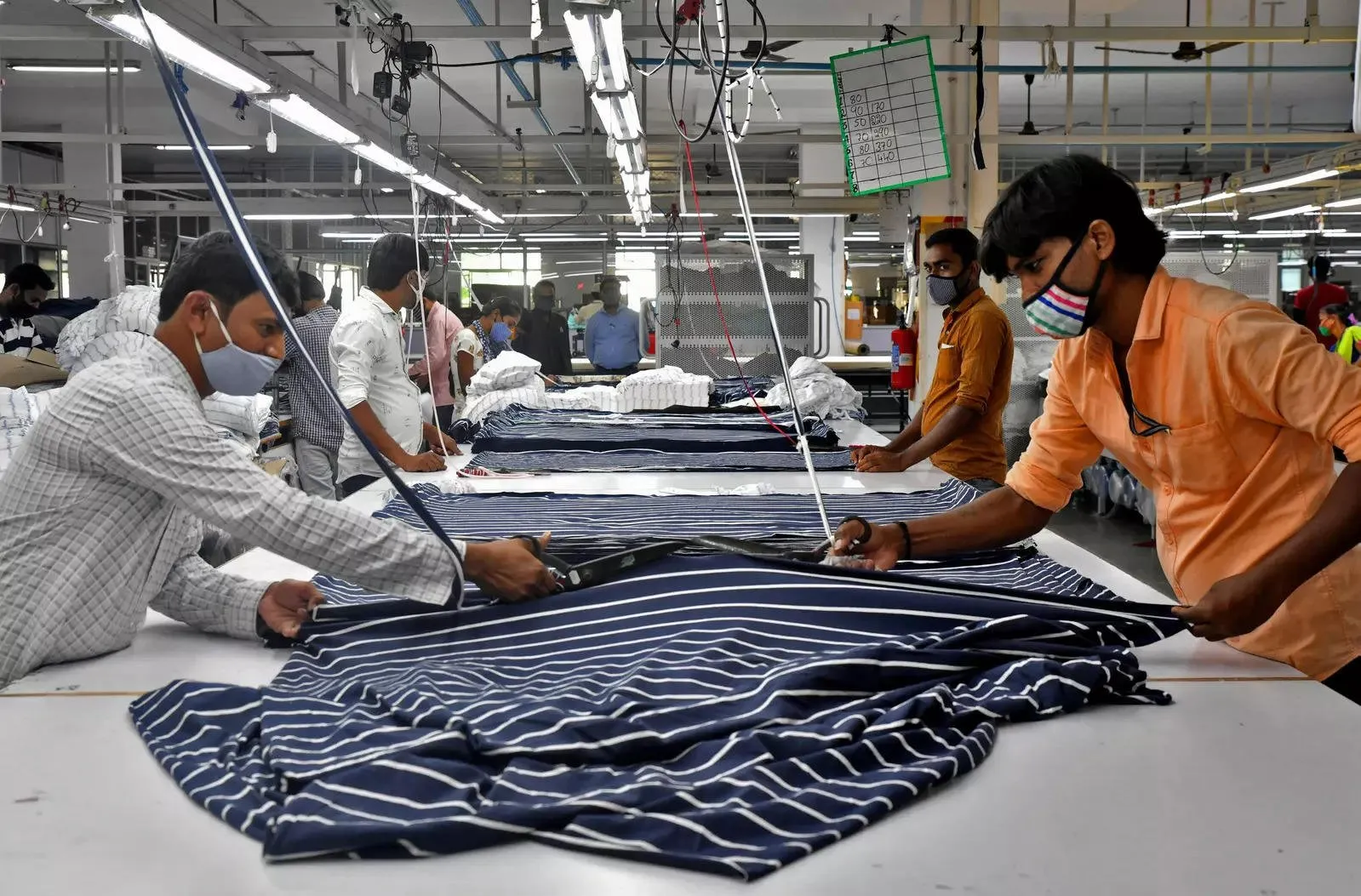
Welcome to a closer look at the impact of ERP systems in the garment industry! In today’s fast-paced fashion world, staying ahead of the competition is crucial. ERP systems provide a comprehensive solution for managing all aspects of garment production, from inventory management to supply chain coordination. Let’s delve into how these systems are revolutionizing the way clothing businesses operate and thrive in the digital age.
Implementation of ERP Systems in Garment Manufacturing
Implementing an ERP system in the garment manufacturing industry can significantly improve efficiency, streamline processes, and enhance overall productivity. The implementation process involves several key steps that are crucial for a successful integration. First, it is important for the garment manufacturer to conduct a thorough analysis of their current processes and systems to identify areas of improvement. This initial assessment will help determine the specific needs and requirements for the ERP system.
Once the requirements are identified, the next step is to select the right ERP software that aligns with the company’s goals and objectives. It is crucial to choose a system that offers features tailored to the garment industry, such as inventory management, production planning, quality control, and supply chain management. Additionally, the software should be user-friendly and customizable to meet the unique needs of the organization.
After selecting the ERP system, the implementation process begins with data migration and system configuration. This phase involves transferring data from existing systems to the new ERP software and setting up the system to meet the specific requirements of the garment manufacturer. It is essential for the implementation team to work closely with key stakeholders throughout this process to ensure a smooth transition.
Training is another critical aspect of ERP system implementation in the garment industry. Employees at all levels of the organization need to be trained on how to use the new system effectively. This training should be comprehensive and hands-on to ensure that users are comfortable and proficient in navigating the ERP software. Additionally, ongoing support and troubleshooting should be provided to address any questions or issues that may arise post-implementation.
Once the ERP system is up and running, continuous monitoring and evaluation are essential to ensure its effectiveness. Regular assessments should be conducted to measure key performance indicators and identify areas for improvement. It is important for the garment manufacturer to adapt and evolve the system over time to meet changing business needs and market demands.
In conclusion, the implementation of an ERP system in the garment manufacturing industry can bring numerous benefits, including increased efficiency, cost savings, and improved operational visibility. By following a strategic and systematic approach to implementation, garment manufacturers can position themselves for long-term success and competitiveness in the industry.
Benefits of ERP in Streamlining Operations and Managing Inventory
When it comes to managing inventory in the garment industry, efficiency is key. With the help of Enterprise Resource Planning (ERP) software, companies can streamline their operations and improve their overall inventory management processes. ERP systems provide a centralized platform where all information relating to inventory, production, sales, and finances can be easily accessed and updated in real-time. This allows for a more cohesive and synchronized approach to managing inventory, leading to reduced errors, improved accuracy, and increased efficiency.
One of the most significant benefits of using ERP in managing inventory is the ability to track and monitor stock levels accurately. By having real-time visibility into inventory levels and movement, companies can better anticipate demand, plan production schedules, and reduce the risk of stockouts or overstock situations. This not only helps in optimizing inventory levels but also results in improved customer satisfaction as products are readily available when needed.
Furthermore, ERP systems offer advanced features such as demand forecasting and automated replenishment, which help in predicting future inventory needs and placing orders accordingly. These tools enable companies to maintain optimal inventory levels, reduce carrying costs, and minimize the risk of excess or obsolete stock. By automating the replenishment process, organizations can also save time and resources typically spent on manual inventory management tasks.
Another advantage of utilizing ERP in inventory management is the integration of various departments and processes within the organization. With all departments accessing the same information through a centralized system, communication is improved, and decision-making becomes more efficient. For example, sales teams can provide accurate forecasts based on real-time sales data, which can in turn help production teams plan their schedules and inventory levels accordingly.
Moreover, ERP systems can help in streamlining operations by providing insights into production efficiency, resource allocation, and cost management. By analyzing production data and performance metrics, organizations can identify bottlenecks in the production process, optimize workflows, and reduce operational costs. This visibility into operations allows companies to make data-driven decisions that can lead to improved productivity and profitability.
In conclusion, the benefits of using ERP in streamlining operations and managing inventory in the garment industry are significant. From improving inventory accuracy and visibility to optimizing production schedules and reducing operational costs, ERP systems play a crucial role in enhancing the overall efficiency and competitiveness of a company. By leveraging the capabilities of ERP software, organizations can stay ahead of their competition, meet customer demands effectively, and achieve long-term success in the fast-paced and dynamic garment industry.
Role of ERP in Improving Production Planning and Scheduling
ERP systems play a crucial role in the garment industry by improving production planning and scheduling processes. One of the key advantages of using ERP in production planning is the ability to create accurate and efficient production schedules. By integrating all aspects of production, such as inventory levels, machine capacity, and order specifications, ERP systems can automatically generate optimal production schedules that take into account all relevant factors.
Furthermore, ERP systems in the garment industry help in optimizing resource allocation and utilization. By providing real-time data on machine availability, employee schedules, and material requirements, ERP systems enable manufacturers to make informed decisions about how to allocate resources effectively. This ensures that production processes run smoothly and efficiently, leading to higher productivity and lower costs.
Another benefit of using ERP in production planning is the ability to track and monitor production progress in real-time. ERP systems provide managers with a comprehensive view of the production floor, allowing them to identify bottlenecks, delays, and other issues that may affect production schedules. By having access to up-to-date information, managers can quickly address any issues that arise and make necessary adjustments to keep production on track.
Moreover, ERP systems help in improving communication and collaboration among different departments involved in the production process. By providing a centralized platform for sharing information and coordinating activities, ERP systems facilitate seamless communication between production, inventory, sales, and other departments. This ensures that everyone is on the same page and working towards common goals, leading to a more coordinated and efficient production process.
In addition to these benefits, ERP systems also enable better forecasting and decision-making in production planning. By analyzing historical data, market trends, and customer demand, ERP systems can provide valuable insights that help manufacturers predict future production needs and make informed decisions about resource allocation, inventory management, and scheduling. This ultimately leads to better decision-making and more accurate production planning, reducing the risk of overproduction or underproduction.
Overall, the role of ERP in improving production planning and scheduling in the garment industry cannot be overstated. By streamlining processes, optimizing resource allocation, enhancing communication, and facilitating informed decision-making, ERP systems help manufacturers achieve higher productivity, lower costs, and better overall efficiency in their production operations.
Integrating ERP with Supply Chain Management in the Garment Industry
ERP systems have become vital tools in managing the complex operations of the garment industry. By integrating ERP with supply chain management, companies in this sector can streamline their processes, improve visibility, and enhance decision-making.
One of the key benefits of integrating ERP with supply chain management in the garment industry is improved inventory management. With real-time data provided by the ERP system, companies can accurately track the movement of raw materials, work-in-progress, and finished goods. This helps to reduce excess inventory levels, minimize stockouts, and optimize the use of resources.
Another advantage of integrating ERP with supply chain management is enhanced collaboration with suppliers and manufacturers. By sharing information through the ERP system, companies can synchronize production schedules, forecast demand more accurately, and respond quickly to changes in market conditions. This leads to better coordination along the supply chain and ultimately improves efficiency and customer satisfaction.
Furthermore, integrating ERP with supply chain management allows companies in the garment industry to gain better visibility into their operations. They can track the performance of suppliers, monitor production processes, and analyze the cost of goods sold in real-time. This valuable insight enables managers to identify bottlenecks, optimize workflows, and make informed decisions to improve overall performance.
Moreover, the integration of ERP with supply chain management enables companies to implement demand-driven strategies. By using advanced forecasting and planning tools available in the ERP system, companies can align production with actual demand, reduce lead times, and deliver products to customers faster. This not only helps to improve customer satisfaction but also provides a competitive advantage in the market.
In conclusion, integrating ERP with supply chain management is essential for companies in the garment industry to stay competitive and meet the demands of today’s market. By leveraging the capabilities of ERP systems to streamline processes, improve collaboration, enhance visibility, and drive demand-driven strategies, companies can optimize their operations and achieve sustainable growth.
Challenges and Considerations in ERP Adoption for Garment Manufacturers
Implementing an Enterprise Resource Planning (ERP) system in the garment industry can bring numerous benefits, such as streamlining operations, improving efficiency, and enhancing decision-making. However, the adoption of ERP comes with its own set of challenges and considerations that garment manufacturers need to carefully navigate.
One of the main challenges in ERP adoption for garment manufacturers is the integration of existing systems. Many companies already use various software solutions for different aspects of their operations, such as inventory management, production planning, and accounting. Integrating these systems with a new ERP platform can be complex and time-consuming, requiring careful planning and coordination.
Another challenge is the potential resistance from employees. Implementing a new ERP system often involves changes in processes and workflows, which can be met with resistance from staff who are comfortable with the status quo. Garment manufacturers need to invest time and resources in training and change management to ensure a smooth transition and avoid disruptions in operations.
Cost is also a significant consideration for garment manufacturers looking to adopt an ERP system. Implementing an ERP solution can be a substantial investment, not just in terms of the software itself but also in training, maintenance, and ongoing support. Companies need to carefully assess their budget and ROI expectations to determine the feasibility and benefits of ERP adoption.
Additionally, data security and privacy are critical considerations in ERP adoption for garment manufacturers. With sensitive information such as customer details, production schedules, and financial data stored in the ERP system, companies need to ensure robust security measures are in place to protect against data breaches and cyber threats. Compliance with data protection regulations also adds an extra layer of complexity to ERP implementation.
Lastly, customization and scalability are important factors to consider in ERP adoption for garment manufacturers. Every business is unique, with its own specific requirements and processes. The ERP system needs to be customizable to accommodate these unique needs while also being scalable to grow with the business and adapt to changing market conditions. Garment manufacturers should work closely with ERP vendors to ensure the system can be tailored to suit their individual needs.